
A leaking water heater is never something you should ignore. Many homeowners notice a small puddle near the tank and assume it is harmless, but even a minor leak can quickly turn into a serious plumbing problem. If you are wondering, “is a leaking water heater dangerous,” the short answer is yes. A damaged unit can lead to water damage, mold growth, unsafe pressure buildup, and even an explosion in severe cases.
At Mad Piper’s Plumbing, we help homeowners diagnose and repair leaking water heaters before they become costly emergencies. Understanding the warning signs can help protect your home, family, and plumbing systems.
Why a Leaking Water Heater Should Never Be Ignored
A water heater is designed to safely heat and store water inside a sealed tank. When the tank or valve begins leaking, the entire system may no longer operate safely. In some situations, a leaking hot water heater is dangerous because the leak signals internal corrosion, excessive pressure, or failing components.
Even small amounts of water pooling around the heater can weaken flooring, damage walls, and create mold issues. Over time, untreated leaks may spread into nearby rooms and increase repair costs throughout the home.
In addition to water damage, a heater leaking near electrical connections or gas lines creates another level of risk. Gas-powered water heaters may also develop gas leaks if parts become damaged or worn out.
Common Causes of Water Heater Leaks
There are several reasons a water heater may begin leaking. Some problems are simple to repair, while others require full replacement.
Faulty Relief Valve
The pressure relief valve is one of the most important safety features on a water heater. It releases excess pressure when temperatures inside the tank rise too high. If this valve becomes loose, damaged, or clogged, water may leak from the side of the tank.
Ignoring a faulty relief valve can increase unsafe pressure inside the heater. In extreme cases, pressure buildup may lead to an explosion.
Corroded Tank
Older water heaters often develop corrosion inside the tank. Over time, minerals and sediment weaken the metal lining until cracks form. Once the tank itself starts leaking, replacement is usually the safest option.
A corroded tank cannot typically be repaired permanently. Continuing to use it increases the risk of major plumbing failure.
Loose Connections and Valves
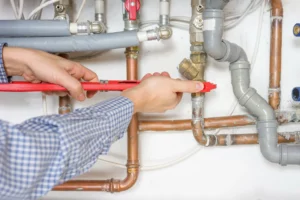
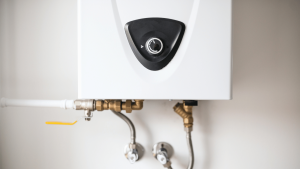
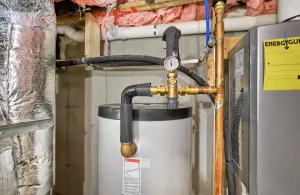
Your water heater includes several plumbing connections, including supply lines, drain valves, and shut-off valve components. If any fitting loosens over time, water leaks can develop around the heater.
In many situations, tightening or replacing a valve or line can solve the issue before it worsens.
Excessive Pressure Inside the Heater
High temperatures and excessive pressure can damage internal components. If the heater is operating beyond safe levels, the pressure relief system may struggle to keep up.
This situation can make a heater dangerous if ignored for too long. Professional plumbing inspection is important to determine whether the system can be repaired safely.
Signs Your Water Heater May Be Dangerous
Homeowners should watch for warning signs that indicate the heater may no longer be safe to operate.
Water Pooling Around the Tank
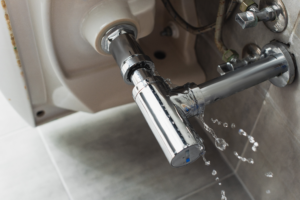
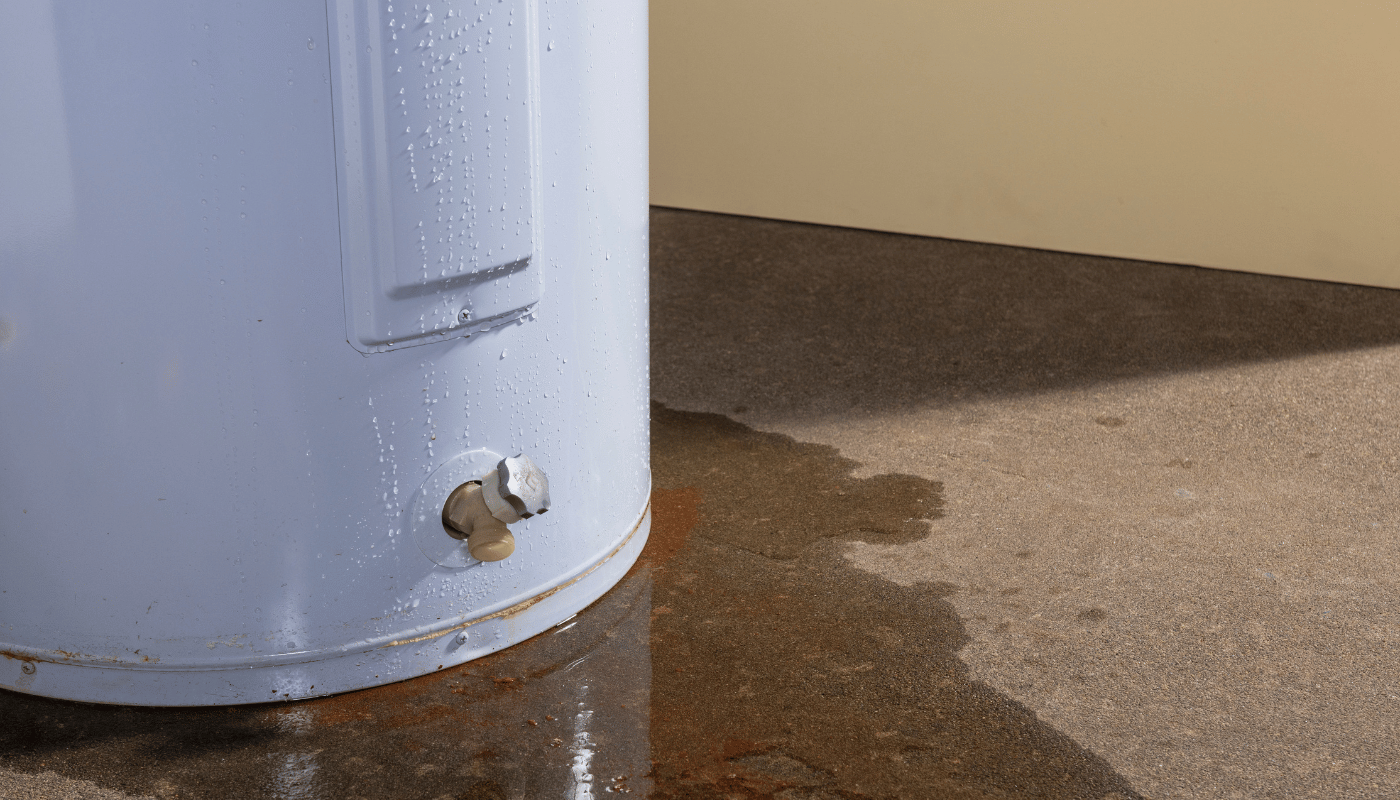
Water pooling near the base of the unit usually indicates a leak somewhere in the system. Even if the leak appears small, standing water can damage flooring and nearby structures.
Rusty Water or Corrosion
Discolored water from faucets often signals corrosion inside the tank. Rust around valves or pipes also suggests internal wear.
Strange Noises
Popping or banging sounds may indicate sediment buildup inside water heaters. This buildup traps heat and increases stress on the tank.
Fluctuating Water Temperatures
If hot water suddenly becomes inconsistent, the heater may have internal damage or failing components.
Rising Utility Bills
Leaks force the system to work harder, which can increase water and energy costs throughout the home.
Can a Water Heater Explode?
Although uncommon, a severely damaged water heater can explode under the right conditions. This usually happens when unsafe pressure builds inside a sealed tank and the pressure relief valve fails to function properly.
An explosion can cause major structural damage and serious injury. That is why homeowners should never ignore signs of leaking, overheating, or pressure problems.
If you suspect the heater dangerous situation is worsening, shut off the water supply and contact a licensed plumbing professional immediately.
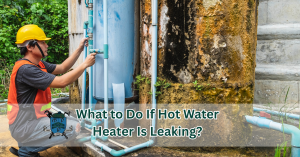
What to Do if Your Water Heater Is Leaking
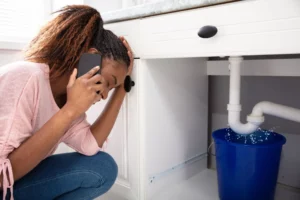
If you notice your water heater leaking, taking quick action can help minimize damage.
Turn Off the Power or Gas Supply
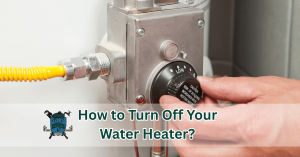
For electric heaters, switch off the breaker connected to the unit. For gas water heaters, turn off the gas supply if it is safe to do so.
Shut Off the Water Supply
Use the shut-off valve connected to the heater to stop additional water from entering the tank.
Inspect the Leak Carefully
Look for visible leaks around valves, the drain line, or the bottom of the tank. Some leaks may come from loose plumbing fittings, while others indicate tank failure.
Call a Plumbing Professional
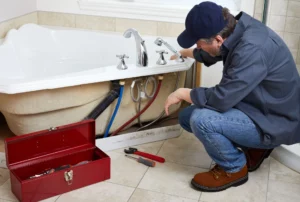
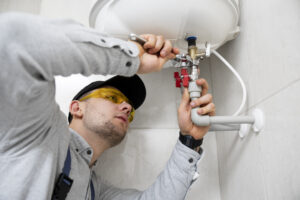
Professional plumbing inspection helps determine whether repair or replacement is the better option. Attempting major repair work yourself can increase safety risks.
At Mad Piper’s Plumbing, our experienced team handles water heater repair, replacement, and emergency plumbing services for homeowners dealing with leaking systems.
Repair or Replacement: Which Is Better?
Not every leaking heater requires full replacement. In some situations, replacing a valve, tightening a line, or fixing small plumbing issues may restore proper function.
However, replacement is often recommended when:
- The tank is corroded
- The unit is over 10 years old
- Multiple repairs have already been completed
- Water leaks are coming directly from the tank
- The heater no longer heats water efficiently
Newer water heaters are generally more energy efficient and safer than aging units.
Preventing Future Water Heater Problems
Routine maintenance helps extend the life of your heater and reduce the risk of leaks.
Schedule Regular Plumbing Inspections
Professional plumbing inspections help identify worn valves, pressure problems, and corrosion before serious damage occurs.
Flush Sediment From the Tank
Sediment buildup inside the tank can increase temperatures and pressure. Flushing the tank regularly improves performance and protects the system.
Test the Pressure Relief Valve
Checking the pressure relief valve periodically ensures the heater can safely release excess pressure when needed.
Replace Aging Water Heaters
Older heaters are more likely to leak or fail unexpectedly. Replacing outdated units before major issues develop can prevent emergency situations.
Trust Mad Piper’s Plumbing for Water Heater Services
If you are asking yourself, “is a leaking water heater dangerous,” it is important to treat the issue seriously. Even small leaks can lead to major plumbing damage, unsafe pressure conditions, and costly repairs.
At Mad Piper’s Plumbing, we provide trusted plumbing services, water heater repair, tank replacement, and leak detection solutions. Whether you need immediate repair or guidance on replacing aging water heaters, our team is ready to help protect your home and restore safe hot water service.
Call us today at (360) 515-4549