
How to Drain a Water Heater?
As a trusted family-owned and operated plumbing business, Mad Pipers Plumbing understands how important it is to keep your water heater in top shape. This essential appliance is working every day to provide hot water for your showers, dishes, laundry, and more. Over time, sediment and mineral buildup can reduce its efficiency, cause odd noises, and even shorten the lifespan of your water heater. Knowing how to drain a water heater properly is a great way to help maintain your system and cut down on repair costs, but many homeowners are unsure where to start.
Let us walk you through what is involved while explaining why you might sometimes want to leave the job to a professional plumber like Mad Pipers Plumbing.
Why Draining Your Water Heater Matters
Draining your water heater allows you to flush out sediment that accumulates in the bottom of the tank. Sediment comes from minerals in the water supply, especially in homes with hard water. Over time, this buildup causes your water heater to work harder, use more energy, and potentially break down. By performing regular maintenance and learning how to drain the water heater yourself, you are helping your system last longer and heat water more efficiently.
When Should You Drain Your Water Heater Tank?
Most manufacturers suggest draining the tank about once every year, but this can vary based on your water quality, the unit’s size and how much hot water your home uses. If you notice your hot water is discolored or has a funny odor, or if you hear knocking or banging sounds, these are signs you might have sediment inside your tank and need to drain water from it.
A Basic Guide: How to Drain a Water Heater
Before we go into this, remember that every home and every heater is a little different. Always follow the manufacturer’s instructions, and if you’re uncomfortable at any step, Mad Pipers Plumbing is always here to help.
Here is a simplified overview of the process:
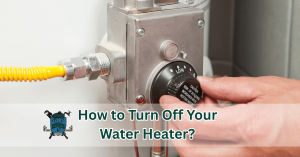
- Turn Off Power or Gas If you have an electric water heater, switch off the power at the circuit breaker. For a gas unit, turn the thermostat to the pilot setting. Never attempt to drain water from a hot tank with the power on as it can damage your water heater.
- Shut Off the Water Supply Locate the cold water supply valve at the top of your heater and turn it off to prevent water from refilling the tank during draining.
- Open a Hot Water Faucet Turn on a hot water faucet somewhere in your home. This helps prevent a vacuum from forming which would stop the water from flowing freely out of the tank.
- Connect a Garden Hose to the Drain Valve Attach a standard garden hose to the drain valve located near the bottom of most tanks. Run the other end to a floor drain or outside where it is safe for the draining water to go.
- Open the Drain Valve Carefully open the drain valve and let the water heater tank empty. Be cautious as the water will be hot and could contain sediment. You might notice the draining water is cloudy at first due to sediment.
- Flush Out the Tank With the drain valve still open and the garden hose in place, briefly turn the cold water supply back on to stir up and rinse out any remaining sediment. Allow it to run until the water flowing from the hose looks clear.
- Close Everything Back Up Shut off the drain valve and remove the hose. Turn off the hot water faucet. Reopen the cold water supply valve and allow the tank to refill. Once full, restore power to the heater or turn the gas back on and set your thermostat.
Professional Plumbing Advice: When to Call Mad Pipers Plumbing
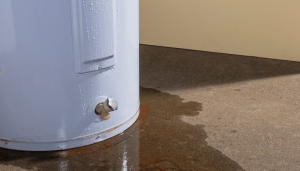
While draining your water heater can be a great do-it-yourself project, it is not without its risks. If you are not comfortable working with electrical or gas connections, if your drain valve is rusted or leaking, or if you suspect your heater tank is suffering from severe sediment buildup, it is best to leave the work to experienced pros. A stuck drain valve can break, or old hoses can burst, causing flooding or water damage in your home. Mad Pipers Plumbing brings the right tools, replacement parts, and safety know-how to handle every part of the job.
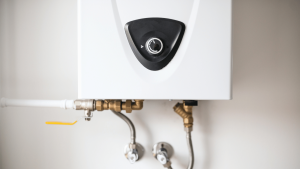
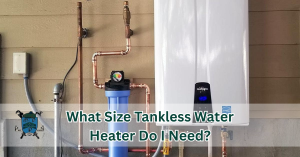
Another common issue is tankless water heaters. These units require a slightly different approach, and Mad Pipers Plumbing has extensive experience with both tank and tankless systems.
Stay Ahead of Plumbing Trouble with Regular Service
Learning how to drain a water heater is a powerful step toward keeping your home running smoothly. This routine maintenance improves efficiency, reduces noise, and avoids unpleasant surprises from rusty tanks or leaking valves. Remember, a neglected water heater can result in much more expensive problems down the road.
If you have questions about your system or run into trouble while attempting to drain water from your heater, Mad Pipers Plumbing is always just a call away. We serve our neighbors with honesty and expertise and can handle tank maintenance, water supply repairs, drain valve replacements, and more. Trust your family’s comfort to our family’s plumbing business.
Contact Mad Pipers Plumbing Today
Do not let sediment and mineral deposits cost you money or peace of mind. For reliable water heater service, repairs, or expert help learning how to drain a water heater safely, reach out to Mad Pipers Plumbing. We have everything you need to keep the hot water flowing and your home safe. Let our family help yours with plumbing you can trust.