
Many homeowners today are looking for more efficient and reliable ways to heat water in their homes. One of the most common questions people ask when upgrading their plumbing systems is how does a tankless water heater work and whether a modern tankless water heater is the right choice for their home.
Traditional water heaters store hot water in a large tank and keep heating water continuously so it is ready when needed. Once the tank empties, you must wait for the water heaters to heat water again. A tankless water heater works differently. Instead of storing hot water, tankless water heaters provide heating water only when a hot water tap is turned. The water is heated instantly, allowing tankless water systems to deliver hot water on demand.
Because tankless water heaters are compact and efficient, more homeowners across Washington are choosing them over traditional water heaters. From Seattle to Tacoma and Bellevue, many households are upgrading to tankless water heater systems that reduce energy use and free up space in the home. Understanding how does a tankless water heater work helps homeowners decide whether these heaters are a smart investment for their property.
In this guide, we will explain how does a tankless water heater work, the technology behind tankless water heaters, and why many Washington homeowners are replacing traditional water heaters with efficient tankless water systems.
What Is a Tankless Water Heater?
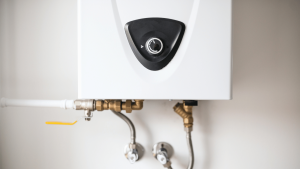
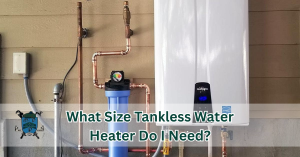
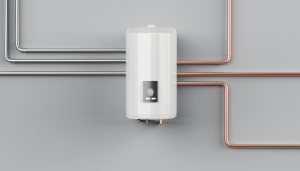
A tankless water heater is a heating system designed to heat water only when needed. Instead of storing hot water in a tank like conventional water heaters, tankless water heaters heat water instantly as it passes through the system.
When a hot water tap is turned on, cold water enters the tankless water heater and heating water begins immediately. The system quickly heat water to a much higher temperature before delivering hot water to faucets, showers, or appliances.
Because tankless water heaters eliminate the need to store hot water, they often provide better energy efficiency compared with traditional water heaters.
Traditional Tank Water Heater vs Tankless Water Heater
Traditional water heaters rely on a storage tank that constantly heat water even when it is not being used. These water heaters store between 40 and 80 gallons of hot water and must reheat the tank once the supply runs out.
Tankless water heaters function differently. They heat water only when a hot water tap is turned and stop heating water when demand ends. This heating water only process helps reduce energy waste.
Feature
• Traditional Water Heaters
• Tankless Water Heaters
Hot Water Supply
• Limited by tank size
• Continuous hot water
Energy Use
• Constant heating water
• Heating water only when needed
Lifespan
• 8 to 12 years
• 15 to 20 years
Space Required
• Large tank
• Compact tankless water unit
Tankless water heaters provide hot water more efficiently while using less space than traditional water heaters.
Key Components of a Tankless Water Heater
Understanding how does a tankless water heater work requires knowing the main components used in tankless water heaters.
Heat Exchanger:
• Transfers heat to water as it flows through the system
• Most tankless water heaters have one heat exchanger that produces exhaust gases in gas tankless models
Flow Sensor:
• Detects when a hot water tap is turned
• Activates the heating system so water begins heating immediately
Burner or Electric Heating Element:
• Gas tankless systems use a gas burner fueled by natural gas or propane
• Electric tankless units use an electric element to heat water
Control Panel:
• Monitors system performance
• Adjusts heating water temperature
• Maintains safe operation
How Does a Tankless Water Heater Work?
To understand how does a tankless water heater work, it helps to look at the process that occurs when a hot water tap is turned on.
Step by Step Process of Heating Water
Cold Water Enters the Unit
• When a hot water tap is turned on, cold water enters the tankless water heater through the plumbing system.
Flow Sensor Activates the Heating System
• The flow sensor detects moving water.
• The system begins heating water immediately.
Heat Exchanger Rapidly Heats the Water
• The water flows through the heat exchanger.
• In gas tankless systems, a gas burner fueled by natural gas or propane generates intense heat to heat water quickly to a much higher temperature.
Hot Water Flows Directly to Faucets and Appliances
• Once heating water is complete, the heated water flows through plumbing pipes.
• Hot water reaches showers, sinks, dishwashers, and washing machines.
Because tankless water heaters heat water instantly, they can provide continuous hot water without storing large amounts of water.
Gas vs Electric Tankless Water Heater Operation
Tankless water heaters typically operate using either gas or electricity.
How Gas Models Heat Water
• Gas tankless water heaters use a gas burner to produce heat.
• Whole-home gas tankless systems use natural gas or propane.
• When a hot water tap is turned on, the gas burner ignites and heating water begins immediately.
• These systems use a heat exchanger that produces exhaust gases during operation.
How Electric Models Heat Water
• Electric tankless water heaters rely on an electric element rather than a gas burner.
• The electric element rapidly heat water as it passes through the heat exchanger.
• Electric tankless units are often smaller and used for point-of-use applications.
Efficiency Differences
• Gas tankless water heaters typically provide greater heating capacity.
• Electric tankless systems may offer simpler installation.
• Both types improve energy efficiency compared with traditional water heaters.
How Does a Tankless Water Heater Work in Washington Homes?
Many homeowners ask how does a tankless water heater work in Washington homes where incoming water temperatures can be lower.
Performance in Colder Water Temperatures
• Incoming water temperatures can be lower in Washington.
• Tankless water heaters must heat water from colder starting temperatures.
• Professional plumbers calculate heating capacity to maintain hot water performance.
Whole Home vs Point of Use Tankless Systems
Whole-home gas systems
• Provide hot water throughout the entire house
• Use powerful gas burners to heat water for multiple fixtures
Point-of-use systems
• Installed near sinks or appliances
• Provide hot water quickly in specific areas
Why Tankless Systems Work Well for Modern Washington Homes
• Provide reliable hot water for daily household use
• Reduce energy consumption compared with older water heaters
• Eliminate bulky storage tanks
• Support efficient heating water only when needed
Tankless water heaters are becoming increasingly popular throughout Seattle, Tacoma, Bellevue, and surrounding cities.
What Are the Main Benefits of Tankless Water Heaters?
Tankless water heaters offer several advantages compared with traditional water heaters.
Endless Hot Water Supply
• Tankless water heaters heat water as it flows through the system.
• Continuous hot water is available without running out.
Improved Energy Efficiency
• Heating water only when needed reduces wasted energy.
• Lower utility bills may result over time.
Longer Lifespan Compared to Tank Systems
• Tankless water heaters often last 15 to 20 years.
• Traditional water heaters usually last around 10 years.
Space Saving Design
• Tankless water heaters are compact.
• They can be wall mounted to save space.
Reduced Risk of Tank Leaks
• Traditional tanks may eventually leak or rupture.
• Tankless water heaters eliminate the risk of tank failure.
What Are the Limitations of Tankless Water Heaters?
Although tankless water heaters offer many advantages, homeowners should also understand potential limitations.
Higher Initial Installation Cost
• Tankless water heaters typically cost more upfront than traditional water heaters.
Possible Flow Rate Limitations
• Multiple fixtures using hot water simultaneously may require a larger system.
Electrical or Gas Line Upgrades May Be Needed
• Gas tankless systems may require upgraded gas supply lines.
• Electric tankless units may require electrical panel upgrades.
Importance of Professional Installation
• Professional plumbing installation ensures safe operation.
• Proper setup improves long term efficiency.
How Much Does a Tankless Water Heater Cost in Washington?
Installing tankless water heaters involves several cost factors.
Average Cost of Tankless Water Heater Installation
• Installation in Washington typically ranges from $3000 to $7000 depending on system size and installation requirements.
Factors That Affect Installation Cost
Type of system
• Whole-home gas tankless systems cost more than smaller electric tankless units.
Gas vs electric model
• Gas tankless water heaters may require venting and upgraded gas supply lines.
Venting requirements
• Gas condensing systems require venting for exhaust gases.
Plumbing upgrades
• Older homes may need plumbing modifications before installation.
Long Term Energy Savings
• Tankless water heaters often reduce energy consumption.
• Heating water only when needed improves efficiency.
What Are the Signs You Should Replace Your Water Heater?
Several warning signs indicate that older water heaters may need replacement.
Running Out of Hot Water Quickly
• The current water heater may not keep up with household demand.
Increasing Energy Bills
• Older water heaters become less efficient over time.
Aging Water Heater System
• Water heaters older than 10 years may soon require replacement.
Frequent Repairs or Maintenance Issues
• Multiple repairs may cost more than replacing the system.
How Long Do Tankless Water Heaters Last?
Tankless water heaters are known for long service life.
Average Lifespan
• Most tankless water heaters last 15 to 20 years.
Maintenance Requirements
• Regular maintenance helps preserve system efficiency.
Annual Descaling and Professional Service
• Mineral buildup can affect the heat exchanger.
• Professional descaling protects system performance.
Tankless Water Heater Maintenance Tips for Homeowners
Proper maintenance helps tankless water heaters operate efficiently.
Regular System Flushing
• Flushing removes mineral deposits and improves heating water efficiency.
Cleaning the Filter
• Filters should be cleaned to maintain proper water flow.
Checking for Error Codes
• Modern tankless water heaters display system alerts.
Scheduling Professional Maintenance
• Annual inspections help maintain safe operation.
Why Choose Professional Tankless Water Heater Installation?
Installing tankless water heaters requires specialized plumbing knowledge.
Proper Sizing for Your Home
• Professionals calculate water demand and heating capacity.
Safe Gas and Electrical Connections
• Proper installation prevents safety risks.
Compliance with Washington Plumbing Codes
• Licensed plumbers ensure installations meet regulations.
Warranty Protection and Long Term Performance
• Professional installation helps maintain manufacturer warranties.
Serving Washington Communities
Mad Piper’s Plumbing proudly provides professional plumbing services including tankless water heater installation, repair, and maintenance for homeowners across Washington. Our team serves customers throughout the region including Seattle, Tacoma, Bellevue, Everett, Kent, Renton, Federal Way, Kirkland, Redmond, and nearby communities.
If you are considering upgrading your water heaters, our experienced plumbers can help explain how does a tankless water heater work and determine whether tankless water heaters are the right choice for your home.
Frequently Asked Questions About Tankless Water Heaters
Do tankless water heaters provide enough hot water for large families?
• Properly sized tankless water heaters can provide continuous hot water for large families.
Are tankless water heaters energy efficient?
• Tankless water heaters reduce wasted energy by heating water only when a hot water tap is turned.
Can a tankless water heater run multiple appliances at the same time?
• Yes, when the tankless water heater is properly sized.
Do tankless water heaters work during power outages?
• Most tankless water heaters require electricity for controls and sensors.
How often should a tankless water heater be serviced?
• Annual professional service is typically recommended.
Need Help Installing a Tankless Water Heater?
Choosing the right water heater for your home is an important decision. At Mad Piper’s Plumbing, our experienced plumbing professionals specialize in installing and servicing tankless water heaters throughout Washington.
We help homeowners understand how does a tankless water heater work, evaluate whether tankless water heaters meet their needs, and install reliable systems designed to provide consistent hot water and improved energy efficiency.
If you are ready to upgrade your plumbing system or replace outdated water heaters, contact Mad Piper’s Plumbing today to schedule a consultation. Our licensed plumbers proudly serve Seattle, Tacoma, Bellevue, Everett, Kent, Renton, Federal Way, Kirkland, Redmond, and surrounding Washington communities with professional tankless water heater services.