
Many homeowners ask the same question when dealing with basement moisture or flooding: how does a sump pump work and why is it so important? A sump pump is a simple but powerful plumbing device designed to remove water from areas where it collects, especially basements and crawl spaces. By automatically pumping water away from the home’s foundation, it helps prevent flooding, mold growth, and long term structural damage.
Understanding how does a sump pump work can help homeowners protect their property and avoid expensive water damage repairs. In regions with frequent rainfall, groundwater buildup, or poor drainage, sump pumps play a crucial role in keeping homes dry and safe.
Mad Piper’s Plumbing helps homeowners across Washington install, repair, and maintain reliable sump pump systems. Whether you are dealing with basement moisture, preparing for storm season, or replacing an aging pump, knowing how this pump work process functions is the first step toward protecting your home from water damage.
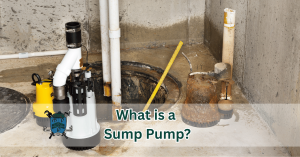
What Is a Sump Pump?
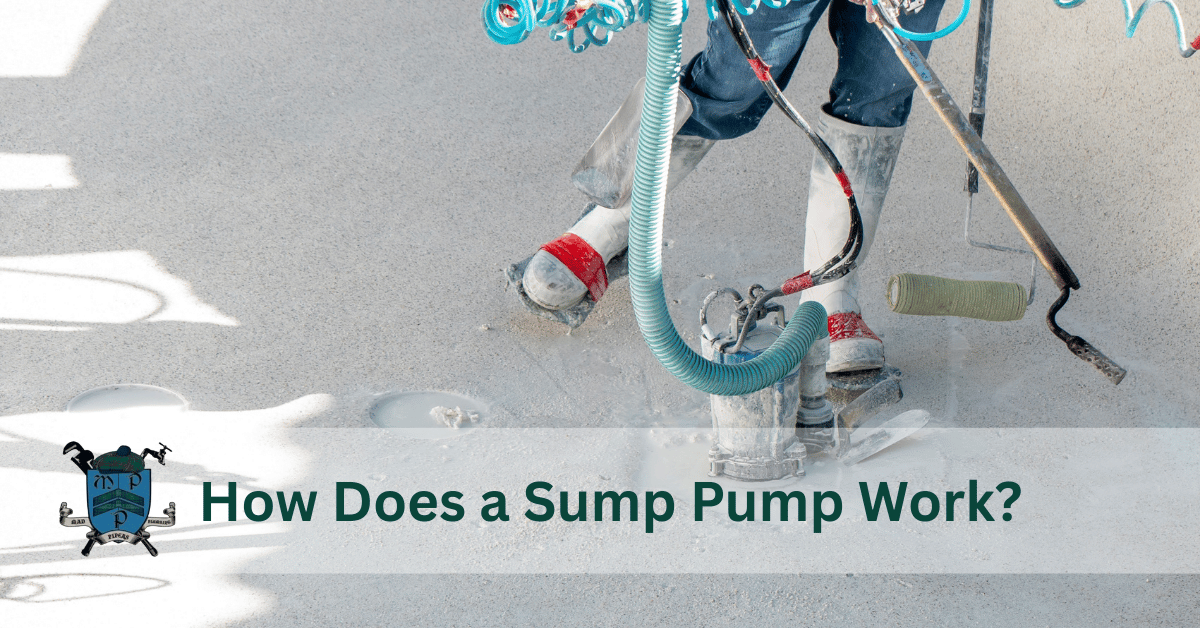
A sump pump is a specialized pump designed to remove water that collects in a sump basin, also called a sump pit. This sump pit is typically installed at the lowest point of a basement or crawl space where water naturally drains.
When groundwater, rainwater, or excess water enters the sump basin, the pump activates automatically and moves the water away from the home through a discharge pipe. This system helps remove water before it causes damage. This process prevents water from building up inside the basement and helps keep these spaces dry.
Sump pumps are especially useful in homes located in areas with heavy rainfall, high water tables, or poor soil drainage where sump systems must manage rising water levels.
What Is the Purpose of a Sump Pump?
The main goal of a sump pump is to remove water and keep water away from your home’s foundation and living spaces. Without proper sump pump systems, water can accumulate around a house and eventually seep inside.
Key benefits of a sump pump include:
• Prevent basement flooding
• Redirect groundwater away from the foundation
• Protect structural integrity of the home
• Reduce mold and moisture problems
• Prevent costly water damage
Water damage can quickly become expensive if it spreads to flooring, drywall, or stored belongings. A properly installed sump pump system provides peace of mind during storms and heavy rainfall.
Where Are Sump Pumps Usually Installed?
Sump pumps are installed in areas where water is most likely to collect. The sump pit and sump basin are usually placed at the lowest point of the structure.
Common installation locations include:
• Basement sump pits
• Crawl space areas
• Low areas of a home where water collects
In some homes, drainage systems direct water toward the sump basin so the pump can remove water efficiently.
How Does a Sump Pump Work in a Basement?
To fully understand how does a sump pump work, it helps to look at the step by step process that occurs during normal pump work operation. The sump pump system is designed to activate automatically when the water level rises inside the sump pit.
Step-by-Step Process of How a Sump Pump Works
-
Water collects in a sump pit
Groundwater and rainwater drain into the sump pit through soil seepage or drainage systems. As the sump pit fills, the water level gradually rises.
-
The water level rises
The sump basin collects water until the float inside the system detects elevating water levels.
-
A float switch activates the pump
When the float switch rises with the water level, the switch activates the pump motor.
-
The pump moves water through a discharge pipe
The sump pump uses pressure to push water through the discharge pipe. The discharge pipe directs water away from the foundation.
-
Water is directed safely away from the home
The discharge pipe carries water away from the structure, helping remove water and prevent flooding in the basement.
This automatic sump process continues whenever rising water levels are detected in the sump pit.
Key Parts of a Sump Pump System
Several components work together so the sump pump can function correctly.
Sump pit or basin
The sump pit collects water before the pump activates.
Pump motor
The motor powers the pump and pushes water through the discharge pipe.
Float switch
The float switch rises with the water level and activates the pump.
Discharge pipe
The discharge pipe carries water safely away from the home.
Check valve
The check valve prevents water from flowing back into the sump basin after the pump pushes it out.
Each part of the sump system helps ensure proper pump work and reliable performance.
Types of Sump Pumps Homeowners Should Know
There are different types of sump pumps designed for specific home conditions and drainage needs.
Submersible Sump Pumps
Submersible sump pumps operate directly inside the sump basin.
Benefits include:
• Quiet pump operation
• Efficient water removal
• Suitable for finished basement spaces
• Compact sump pump design
Because the pump sits inside the sump pit, it stays submerged while pumping water.
Pedestal Sump Pumps
Pedestal pumps have the motor positioned above the sump pit while the pump base sits inside the basin.
Benefits include:
• Easier pump maintenance
• Lower upfront cost
• Longer motor life
Pedestal pumps are easier to inspect during routine inspection or pump maintenance.
Battery Backup Sump Pumps
Backup sump pumps provide protection during power outages.
Backup systems activate automatically if the primary pump stops working.
These backup sump pumps are essential during storms when power failures are common and water levels rise quickly.
Why Sump Pumps Are Important for Washington Homes
Homes throughout Washington often experience heavy rainfall and saturated soil conditions. These conditions can increase groundwater pressure around foundations.
Heavy Rainfall and Groundwater Risks
When soil becomes saturated, water pressure builds around the foundation and may enter the basement. Sump pumps help manage this pressure by moving water away from the structure.
Basement Flooding Prevention
A sump pump helps prevent flooding by quickly removing water when water levels rise inside the sump pit.
Mold and Moisture Protection
By removing excess water, sump pumps help reduce humidity and prevent mold growth. Keeping these spaces dry helps improve indoor air quality.
What Are the Signs You Need a Sump Pump?
Certain warning signs suggest that installing a sump pump system may be necessary.
Common indicators include:
• Frequent basement moisture
• Water pooling near the foundation
• Musty odors in the basement
• Visible mold growth
• Basement flooding during storms
If these issues occur regularly, a sump pump installation may help prevent flooding and long term water damage.
How Much Does a Sump Pump Installation Cost in Washington?
Homeowners often ask about the cost of installing sump pump systems in Washington.
Average Installation Costs
Typical installation costs may include:
| Installation Type | Estimated Cost Range |
|---|---|
| Basic sump pump replacement | $500 – $1,200 |
| New sump pump installation | $1,200 – $3,000 |
| Battery backup sump installation | $500 – $1,500 |
The cost depends on the type of pump, installation complexity, and drainage setup.
Factors That Affect Sump Pump Costs
Several factors influence sump pump installation pricing:
• Pump type
• Basement accessibility
• Electrical requirements
• Discharge pipe installation
• Backup sump pump system installation
Professional plumbers evaluate each sump pump system to determine the best solution.
How Long Do Sump Pumps Last?
Most sump pumps last between seven and ten years with proper pump maintenance and inspection.
Frequent use during rainy seasons may shorten the lifespan of some pumps.
Factors That Affect Lifespan
Several factors affect sump pump durability:
• Pump quality
• Frequency of use
• Routine pump maintenance
• Electrical stability
• Water pressure and drainage conditions
Regular inspection helps identify issues early and extend pump lifespan.
Common Sump Pump Problems Homeowners Experience
Like any mechanical system, sump pumps may experience occasional problems.
Sump Pump Not Turning On
Common causes include:
• Float switch failure
• Electrical problems
• Pump motor malfunction
• Debris blocking the sump pit
Pump Running Constantly
If a pump runs continuously, it may indicate:
• A stuck float switch
• Excess groundwater pressure
• Improper pump size
Clogged or Frozen Discharge Pipes
When the discharge pipe becomes blocked or frozen, water cannot exit the system. This can cause water to return to the sump basin and increase flooding risk.
How to Maintain a Sump Pump Properly
Routine pump maintenance is essential to ensure reliable sump pump performance.
Monthly Maintenance Checklist
Homeowners can perform simple checks such as:
• Test the float switch
• Pour water into the sump pit to check pump work
• Inspect the discharge pipe
• Clean debris from the sump basin
• Check the backup sump system
These steps help confirm that the pump activates correctly when water levels rise.
Annual Professional Inspection
Professional inspection helps identify worn parts, clogged discharge pipe sections, or float switch issues before they lead to pump failure.
Routine inspection and maintenance keep sump pumps working effectively.
Why Choose Professional Sump Pump Installation?
Understanding how does a sump pump work in Washington homes is important, but proper installation is equally critical.
Proper System Sizing
Professional plumbers calculate the correct pump capacity based on basement size and water flow conditions.
Correct Drainage Setup
Proper installation of the discharge pipe ensures water is directed away from the foundation.
Reliable Installation
Professional installation ensures the sump pump system meets plumbing standards and performs properly during storms.
Serving Washington Homeowners with Reliable Plumbing Solutions
Mad Piper’s Plumbing provides sump pump installation, repair, and pump maintenance services for homeowners across Washington. Our experienced plumbers understand how water movement, soil saturation, and drainage systems affect sump pump performance.
We help homeowners protect their properties with dependable sump pump systems designed to remove water efficiently and prevent flooding. Our team handles everything from installation to inspection and pump maintenance to ensure long term reliability.
Homeowners throughout Washington cities such as Seattle, Tacoma, Bellevue, Everett, Olympia, and surrounding communities rely on our plumbing expertise for reliable sump pump systems.
Frequently Asked Questions About Sump Pumps
Do All Homes Need a Sump Pump?
Not every home requires a sump pump, but properties with basements, crawl space areas, or high groundwater levels often benefit greatly from installing sump pumps.
Can a Sump Pump Prevent Basement Flooding Completely?
While sump pumps significantly reduce the risk of flooding, extreme weather conditions may still cause water accumulation if systems are overwhelmed.
How Often Should a Sump Pump Be Replaced?
Most sump pumps should be replaced every seven to ten years depending on pump work frequency and maintenance history.
What Happens If a Sump Pump Fails During a Storm?
If a sump pump fails during heavy rainfall, the sump basin may fill quickly and cause basement flooding. Installing backup sump pumps can help protect the home during power outages or pump failure.
Need Help With a Sump Pump System?
Protecting your home from water damage starts with a properly installed sump pump system. Mad Piper’s Plumbing provides professional sump pump installation, repair, inspection, and pump maintenance services designed to keep your basement dry.
Our experienced plumbing team understands how Washington weather conditions affect drainage and sump systems. We evaluate water flow, inspect sump pits, and recommend the right sump pump solutions for your home.
If you are experiencing basement moisture, rising water levels, or sump pump issues, contact Mad Piper’s Plumbing today. We proudly serve homeowners across Washington with dependable plumbing services that protect homes from flooding and costly water damage.
Call : (360) 515-4549