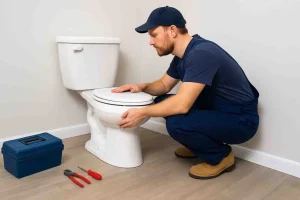

A toilet that flushes just right is one of those small comforts that quietly keeps your home running smoothly. When the water level in your toilet bowl is too low or too high, everyday bathroom use can quickly become frustrating. From weak flushes to constant refilling sounds, these issues often point to a simple adjustment inside the toilet tank. The good news is that learning how to adjust water level in toilet bowl systems is easier than most homeowners think.
With the right guidance and a bit of confidence, you can solve common toilet problems before they turn into bigger plumbing concerns. And when you need expert help, Mad Pipers Plumbing is always ready to step in with trusted, professional service.
Understanding Why Water Level in the Toilet Bowl Matters?
The water level inside your toilet bowl plays a major role in how effectively your toilet flushes. If the level is too low, waste may not clear properly. If it is too high, water can splash or refill excessively, wasting water and increasing utility bills. Many homeowners assume a faulty toilet requires replacement, but in reality, the issue is often a minor level problem in the toilet tank.
A properly balanced water level helps:
- Create a strong, consistent flush
- Prevent unnecessary water usage
- Reduce strain on internal toilet parts
- Keep your bathroom clean and odor free
At Mad Pipers Plumbing, we often find that small water level adjustments solve what seem like big toilet issues.
How Does the Toilet Tank Control Water Levels?
Before learning how to adjust water level in toilet bowl systems, it helps to understand what happens inside the toilet tank. The tank stores water and releases it into the bowl during a flush. After flushing, the fill valve refills the tank to a preset fill line. When that line is reached, the valve shuts off.
Several parts work together to control this process:
- The fill valve regulates incoming water
- The toilet float rises with the tank water
- The float signals the valve to stop filling
- The fill line marks the ideal water level
When one of these components is out of balance, water levels in the toilet bowl can suffer. This is one of the most common service calls Mad Pipers Plumbing receives from homeowners.
Common Signs You Have a Toilet Water Level Problem
Knowing the symptoms of a water level problem can save you time and stress. Many homeowners notice issues but are unsure what they mean.
Here are common warning signs:
- Weak or incomplete flushes
- Gurgling sounds after flushing
- Toilet bowl water sitting unusually low
- Constant refilling noise from the tank
- Water levels that rise or drop unpredictably
If you notice one or more of these issues, it is a good time to inspect the toilet tank or contact Mad Pipers Plumbing for a professional evaluation.
How to Adjust Water Level in Toilet Bowl Using the Toilet Float?
One of the most effective ways to adjust water level is by adjusting the toilet float. The float controls how much tank water is allowed to fill after each flush. Depending on your toilet model, the float may look slightly different, but the concept remains the same.
Most modern toilets have either a float cup or a float ball. To adjust it:
- Remove the toilet tank lid carefully
- Locate the float attached to the fill valve
- Find the adjustment screw or clip
- Turn the screw clockwise to lower water
- Turn it counterclockwise to raise water
Make small adjustments and flush the toilet to check results. Mad Pipers Plumbing recommends patience here, as over adjusting can create new water level issues.
Adjusting the Fill Valve for Proper Tank Water Balance
Sometimes adjusting the float alone is not enough. In those cases, the fill valve itself may need attention. The fill valve controls how quickly and how much water enters the tank.
To adjust the fill valve safely:
- Shut off water at the toilet valve
- Flush to empty the tank
- Inspect the fill valve height
- Adjust the valve according to manufacturer guidelines
- Turn water back on and allow tank to fill
The fill line inside the tank should be about one inch below the overflow tube. If you are unsure about handling valves or fill mechanisms, Mad Pipers Plumbing can handle these adjustments quickly and safely.
When to Raise Water Levels for Better Flushing
Low water levels in the toilet bowl are one of the most common complaints homeowners face. When the bowl does not hold enough water, flushing power decreases.
You may need to raise water levels if:
- Waste does not fully clear the bowl
- You flush multiple times per use
- The bowl water looks unusually shallow
Raising water levels usually involves adjusting the toilet float or fill valve to allow more tank water. Once adjusted, the bowl refills to a healthier level after each flush. Mad Pipers Plumbing often sees improved performance with just a small increase in tank water.
Troubleshooting Persistent Toilet Tank Level Problems
If you have tried to adjust water level in toilet bowl systems and problems persist, there may be an underlying issue. Worn parts or mineral buildup can interfere with proper operation.
Common causes include:
- A damaged toilet float
- A worn fill valve
- Debris blocking the fill line
- Incorrect valve installation
- Aging toilet components
At this stage, calling Mad Pipers Plumbing is often the smartest choice. Our plumbers can quickly diagnose whether a simple repair or part replacement is needed.
DIY Adjustment Tips Versus Professional Plumbing Help
Many homeowners enjoy handling small bathroom repairs themselves. Adjusting water levels can be a rewarding DIY task, but it is important to know your limits.
DIY adjustments are best when:
- The toilet is relatively new
- The issue is minor
- Parts are easily accessible
Professional help is recommended when:
- Adjustments do not solve the issue
- Water continues running
- You notice leaks or cracks
- The toilet tank has older components
With Mad Pipers Plumbing, you get peace of mind knowing the job is done right the first time.
Preventing Future Toilet Water Level Issues
Once your toilet water level is properly set, regular maintenance can help prevent future problems. A few simple habits can extend the life of your toilet system.
Helpful prevention tips include:
- Check tank water levels every few months
- Clean inside the toilet tank annually
- Avoid harsh chemical cleaners
- Replace worn parts early
- Schedule routine plumbing inspections
Homeowners who stay proactive often avoid emergency repairs. Mad Pipers Plumbing offers preventative plumbing services designed to keep your bathroom running smoothly year round.
Contact Us
A perfectly flushing toilet should never be a guessing game. If your bathroom is struggling with water level issues or you would rather leave adjustments to the experts, Mad Pipers Plumbing is here to help. Our skilled plumbers deliver reliable solutions, clear communication, and lasting results. Contact Mad Pipers Plumbing today and let us restore comfort and confidence to your bathroom.