
A well-maintained water heater does more than provide comfort. It protects your home, improves efficiency, and helps your plumbing system last longer.”
Your gas water heater works hard every day to deliver hot water for showers, laundry, cooking, and cleaning. Over time, minerals and sediment naturally settle at the bottom of the heater tank. If these deposits are not removed, they can reduce efficiency, increase energy costs, and even shorten the unit’s lifespan. Learning How to drain a gas water heater is one of the most valuable maintenance tasks homeowners can perform.
While many homeowners can safely complete this process with the right preparation, knowing each step is essential to avoid damage or injury. This guide explains the complete process in simple terms, along with helpful maintenance tips and safety precautions. If you ever feel uncertain, Mad Pipers Plumbing has the expertise to ensure your water heater remains in excellent condition for years to come.
Why Every Water Heater Needs Regular Draining
Every water heater gradually collects sediment from the minerals found in your household water supply. These particles settle inside the heater tank, forming a layer that forces the heating system to work harder.
A buildup of sediment may lead to:
- Reduced heating efficiency
- Higher energy bills
- Rumbling or popping sounds
- Longer heating times
- Premature wear on the tank
- Reduced hot water capacity
Performing a water heater drain once or twice a year helps remove this buildup before it becomes a costly problem. Regular maintenance also allows you to inspect important components like the drain valve, pressure relief valve, and other connections.
At Mad Pipers Plumbing, preventive maintenance is always encouraged because it helps homeowners avoid unexpected repairs while extending the life of their equipment.
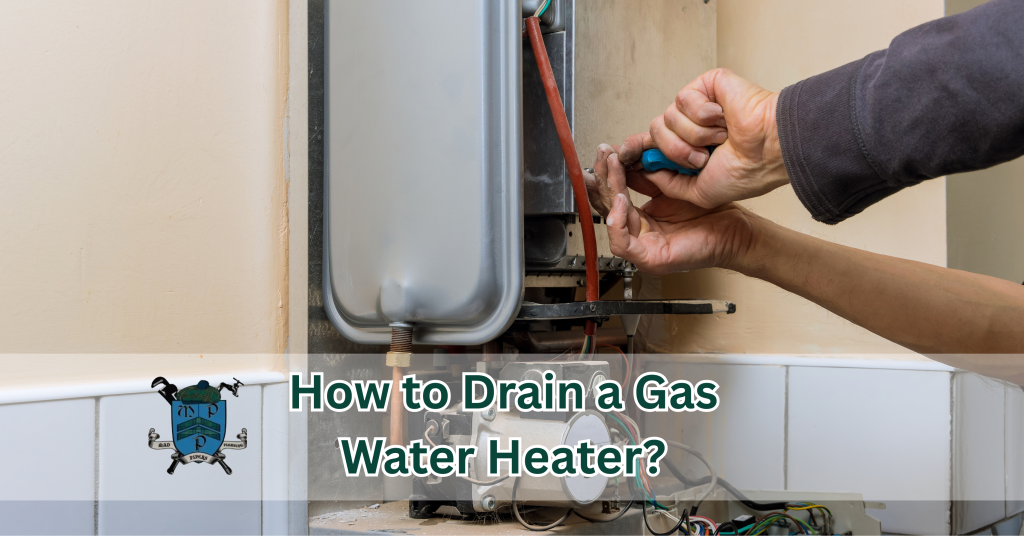
How to Drain a Gas Water Heater Safely Before You Begin
Before starting, How to drain a gas water heater, make safety your top priority. Since you’re working with both hot water and gas, taking a few precautions is extremely important.
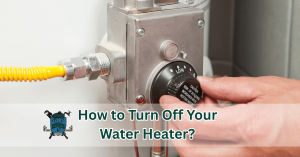
First, locate the gas valve and turn the heating source to the Pilot setting or completely off, depending on your manufacturer’s recommendations. This prevents the burner from operating while the tank is empty.
Next, close the cold water valve supplying the unit. This prevents additional water from entering while you prepare the tank drain.
Gather the necessary equipment, including a standard garden hose, gloves, and a bucket if needed. Ensure the hose can safely direct hot water to a floor drain, driveway, or another approved drainage location.
Step-by-Step Guide on How to Drain a Gas Water Heater
Now that everything is prepared, it’s time to complete the actual process.
Start by allowing the water heater to cool for a while if it has been running recently. Hot water can cause serious burns, so never rush this step.
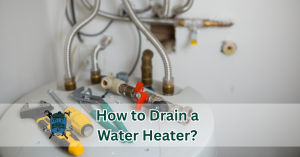
Connect the hose securely to the drain valve located near the bottom of the heater. Place the opposite end so the discharged water can flow safely.
Next, open a nearby hot-water faucet in your home. This helps relieve internal pressure and allows the tank to drain more smoothly.
Carefully open the drain valve. Water should begin flowing through the hose. Depending on the size of your tank, completely removing the empty water may take anywhere from 20 to 60 minutes.
If the flow slows significantly, briefly lift the pressure relief valve to allow additional air into the system. The pressure relief mechanism helps eliminate vacuum conditions that can interrupt draining.
Continue until the tank is fully empty.
Inspecting the Drain Valve and Pressure Relief Valve
Once the tank has emptied, take advantage of the opportunity to inspect important safety components.
The drain valve should operate smoothly and remain leak-free when closed. Mineral buildup around the valve may indicate future maintenance needs.
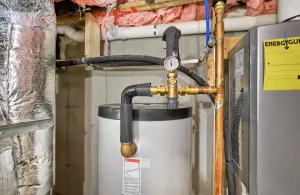
Next, examine the pressure relief valve. This safety device protects your water heater from excessive pressure buildup. If the relief valve appears corroded, leaks continuously, or fails to operate correctly, replacement may be necessary.
Also inspect nearby water lines for corrosion, rust, moisture, or loose fittings. Catching these small issues early can prevent expensive repairs later.
Routine inspections like these are part of the comprehensive maintenance services offered by Mad Pipers Plumbing, helping homeowners enjoy reliable hot water year-round.
Flushing the Tank for Better Water Heater Performance
Simply draining may remove loose sediment, but flushing the tank often delivers even better results.
After the initial drain, close the drain valve and briefly open the cold water valve. Fresh water enters the tank and stirs up the remaining sediment.
Allow this water to exit through the hose again. Repeat this process several times until the discharged water appears clear.
Flushing helps remove stubborn mineral deposits that remain after the initial water heater drain. This simple maintenance routine improves heating efficiency and reduces wear on the gas water heating system.
A cleaner heater tank requires less energy to heat water, which may help lower utility bills while extending the lifespan of your appliance.
Refilling the Tank and Restoring the Gas Heating Source
Once you’re satisfied that the tank drain is complete, disconnect the hose and close the drain valve securely.
Open the cold water valve to refill the tank. Keep a nearby hot-water faucet open while filling so that trapped air can escape through the plumbing system.
When water begins flowing steadily from the faucet without sputtering, the tank is full.
Now inspect all connections around the valve, water supply, and water lines for any leaks.
Only after confirming the tank is completely full should you restore the gas supply and return the heating source to its normal operating setting. Never ignite the burner when the tank is empty, as it may damage the unit.
If you’re unsure How to restart the system safely, Mad Pipers Plumbing can inspect and restore your water heater with confidence.
Common Mistakes to Avoid During a Water Heater Drain
Many homeowners unintentionally make mistakes during maintenance that can damage their system or create safety risks.
Some of the most common errors include:
- Forgetting to turn off the gas
- Opening the drain valve too quickly
- Disconnecting the hose before draining is complete
- Restarting the heater before the tank is completely full
- Ignoring signs of corrosion around the pressure relief valve
- Failing to inspect the surrounding plumbing after refilling
Avoiding these mistakes makes the process safer while protecting your investment.
When It’s Time to Call a Pro
Although learning how to drain a gas water heater is useful for many homeowners, some situations require professional attention.
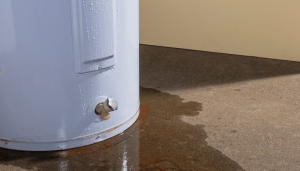
If your water heater refuses to drain, produces rusty water, leaks around the valve, or repeatedly loses hot water, there could be more serious problems inside the system. Older units may also contain heavy sediment that cannot be removed through normal flushing.
A qualified pro can diagnose hidden issues, inspect the burner assembly, test safety controls, and determine whether repair or replacement is the best option.
With years of experience servicing residential plumbing systems, Mad Pipers Plumbing provides dependable maintenance, repairs, and installations designed to keep your hot water flowing safely and efficiently. Whether you need routine flushing or a complete system evaluation, Mad Pipers Plumbing delivers professional service with a focus on quality workmanship and customer satisfaction.
Contact Us
A properly maintained gas water heating system delivers reliable comfort, improved efficiency, and fewer unexpected repairs. Understanding how to drain a gas water heater allows homeowners to remove sediment, reduce wear, and keep the system operating at its best. By following the correct step-by-step process and performing regular maintenance, you can help protect one of the most important appliances in your home.
When you want complete peace of mind, trust Mad Pipers Plumbing to handle every aspect of your water heater maintenance. From inspections and flushing to repairs and replacements, Mad Pipers Plumbing is committed to keeping your plumbing system safe, efficient, and dependable for years to come.